

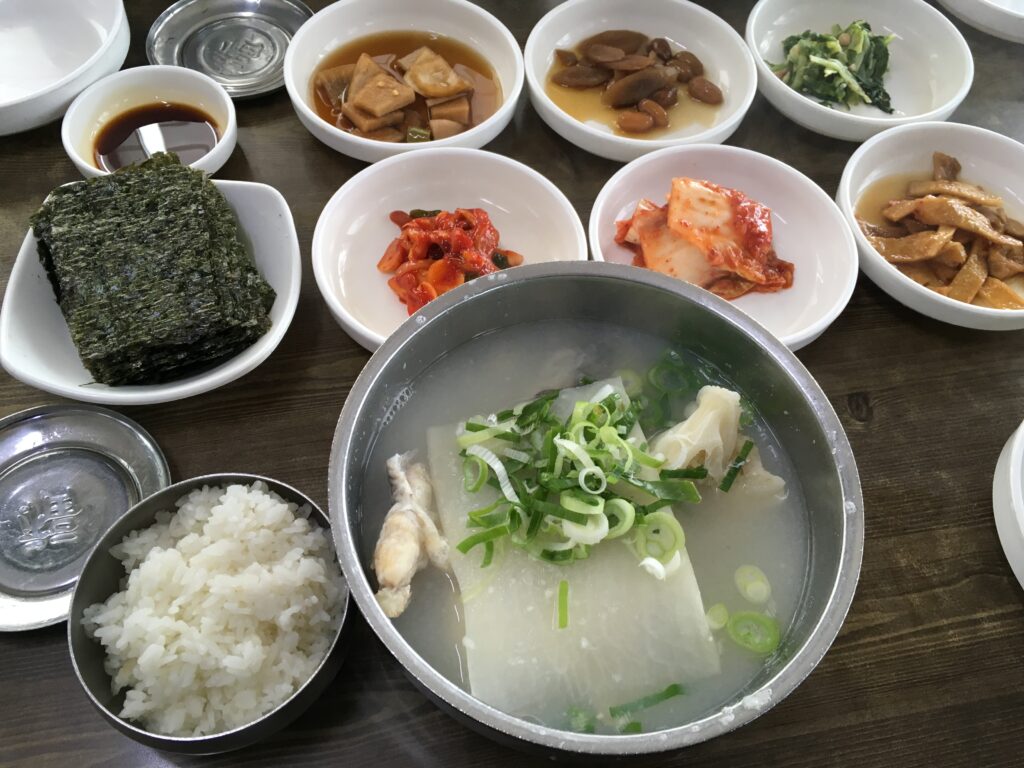
Whether you’re in Korea for a week, here for a month on a workation, or you’ve been living here a while, the same question keeps coming back: where should we actually eat? So you do your homework — search “best restaurants in Seoul,” read a few reviews, save some spots. The hard part isn’t finding options. It’s telling the genuinely great places apart from the ones that are simply good at marketing. On the surface of a search result, they look identical.
And that’s where a good evening quietly slips away. You pick a spot that looked perfect online, and it turns out overpriced and just okay — pleasant enough, but not far off the Korean restaurant back home. It’s not a disaster. It’s just one of your limited dinners spent on something forgettable, and you don’t get that evening back.
Or the opposite happens: you find a place that looks like the real thing — the kind of spot locals fill at lunch — but everything about it runs in Korean. No English menu, no English booking, no easy way to ask a question. So you quietly let it go and default to the safe, tourist-friendly option nearby. You eat fine. You just miss the meal you actually came for.
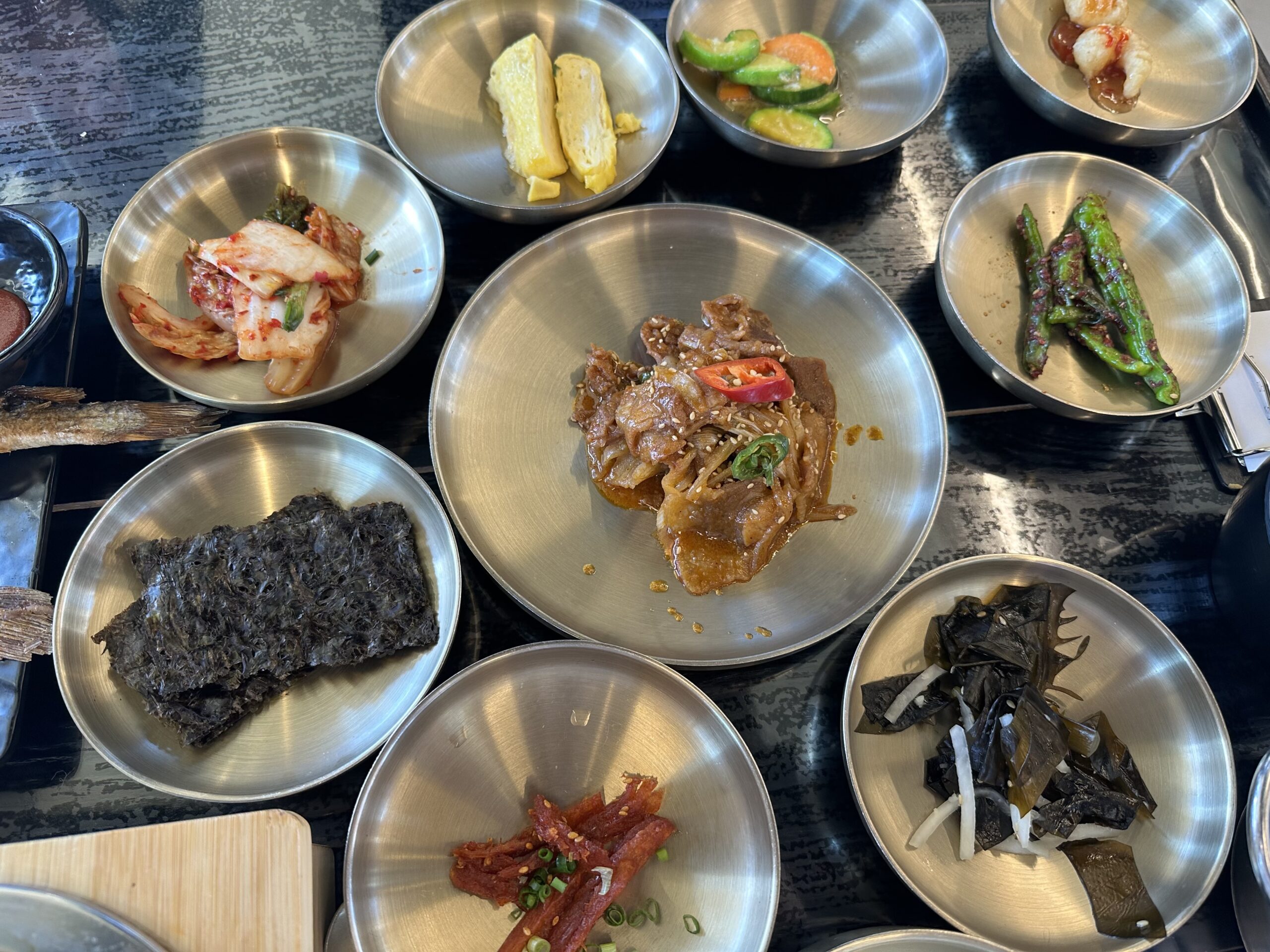
Why Google, AI Picks, and Map Apps Can Steer You Wrong
This isn’t about searching badly. It’s about what’s already sitting in the results before you type anything.
AI tools and travel blogs draw from the same pool of content online, and a fair share of it isn’t a neutral review — it’s sponsored. Paid promotion is widespread in Korea’s food scene, and it doesn’t always announce itself; some posts read just like a genuine recommendation. Over time, the spots that rise to the top of a search can be the ones that are excellent at marketing and only average at cooking.
To make matters worse, the navigation app you rely on back home doesn’t fully work here. Google Maps can’t give walking or driving directions in Korea at all, and its restaurant hours and locations are often out of date. The apps locals actually use — Naver Map and Kakao Map — do have English modes, but they’re clunky, addresses often don’t translate cleanly, and you’re still left piecing the route together yourself.
This isn’t just a foreigner problem, either. Koreans traveling to a part of the country they don’t know do exactly what you do — search for the good local spots — and get served the same over-marketed restaurants. The tilt in the results catches locals and visitors alike; being from abroad just adds a language layer on top of a problem everyone already has. From a thumbnail and a star rating, you can’t reliably tell which is which. That’s true whether you’re looking at Ikseon-dong in Seoul, Jeonpo in Busan, a seaside spot in Jeju, or anywhere else.
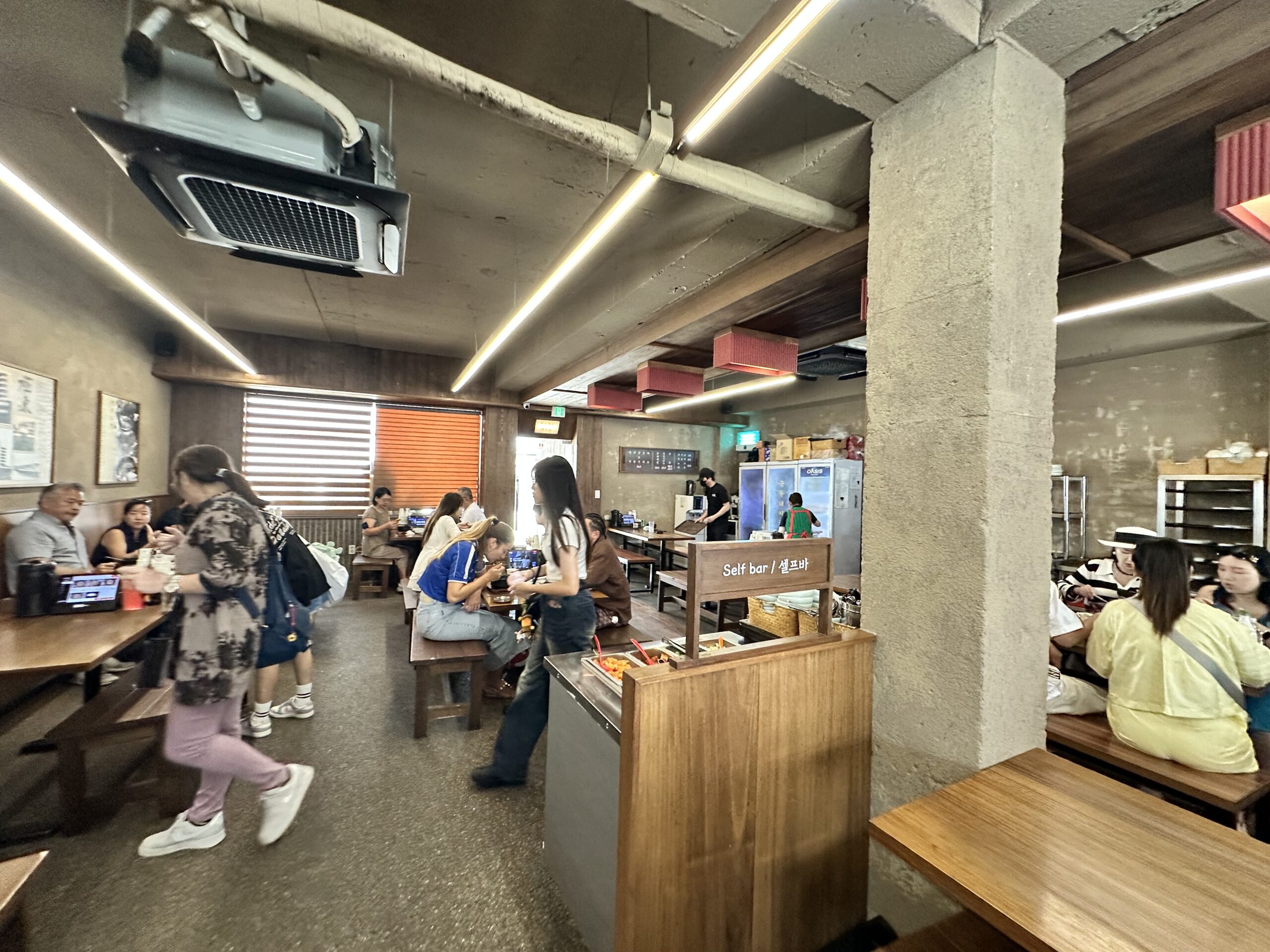
Where the Apps Help — and Where They Stop
None of this means you’re on your own out there. You’ve got a real toolkit now — English-language reservation apps, fast food delivery, and translation tools. All of it helps, and it’s worth setting up before you fly. But there’s a clear line these tools don’t cross.
The first is reach. Global apps and delivery services do well with popular, foreigner-facing restaurants in central tourist districts. However, a great many places — and whole neighborhoods away from the tourist hubs — simply aren’t listed on them. The deeper local spots tend to run entirely offline or on Korean-only booking systems — the menu on the wall, the booking, and the staff are all in Korean only.
The second is the human part. Even when an app covers a place, the real back-and-forth still lands on you. Translation apps can’t call a restaurant back to confirm a special request, move a booking, or give a delivery driver your building’s entry code and where to leave the bag. Most importantly, no app can hold your particular mix of preferences at once — the person who can’t do spicy, the vegetarian in the group, and the 7 PM table for five near your hotel — then call, verify, and arrange it. That kind of weighing and acting is concierge work, and it’s ours.
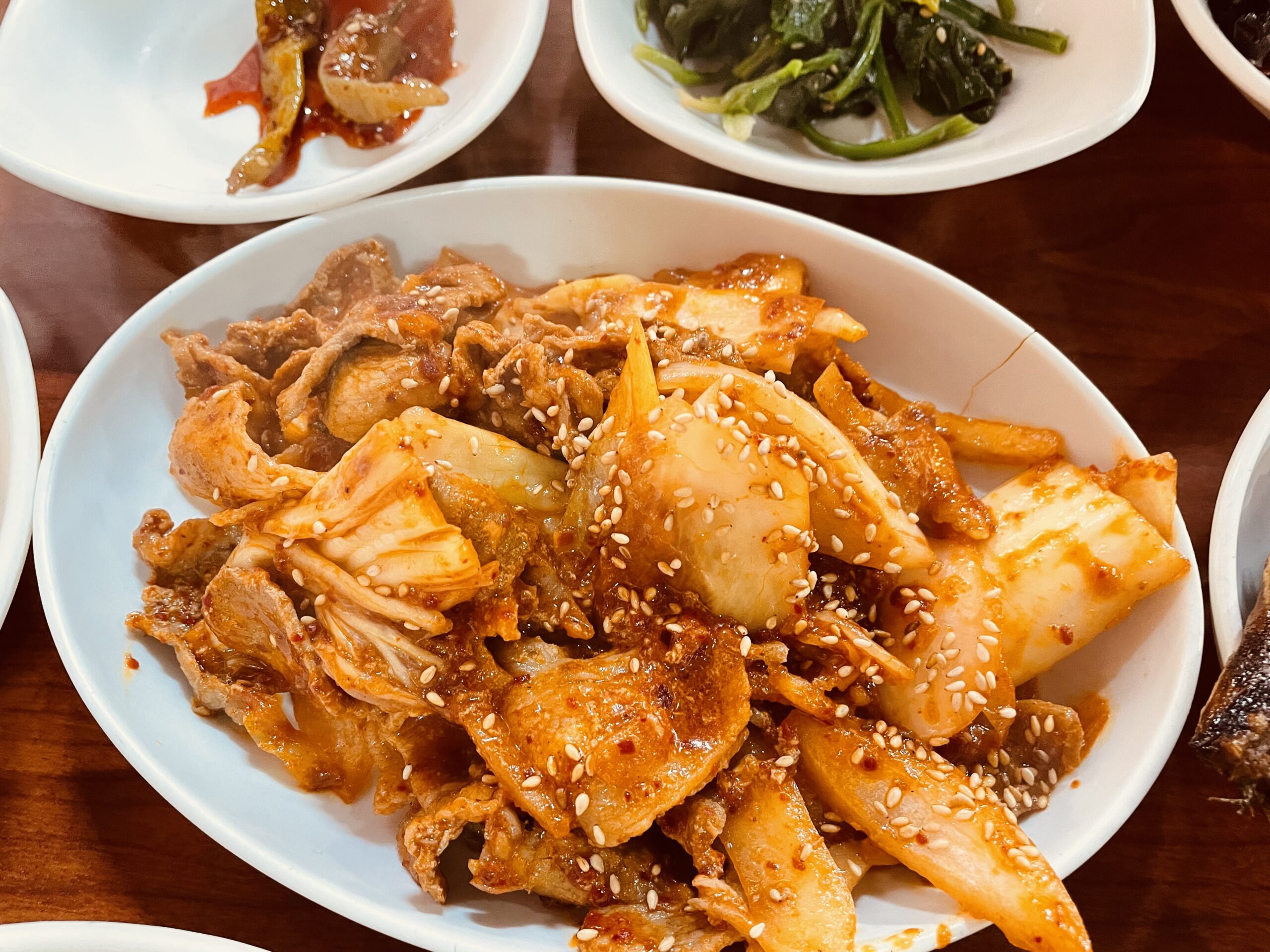
Dietary needs are where this matters most. If you are looking for vegetarian, vegan, halal, or gluten-free food in Korea, it takes serious planning. Hidden ingredients like anchovy broth, fish sauce, and meat-based powders hide inside dishes that look completely plant-based. A menu photo or a simple translation app won’t reliably tell you what’s in the pot. The most reliable way to know is to have someone call the kitchen directly in Korean and ask. We do exactly that and tell you what we find, so you can decide before you sit down.
What’s Really at Stake Is Your Time, Not Just a Meal
Here’s why a so-so dinner stings more than it should. If you’re visiting, your days here are few and often hard-won — the hours you spend researching, second-guessing, and getting somewhere are among the most valuable things you brought with you. If you live here, it’s the same sting in a different shape: one more forgettable meal in a place you’d rather feel at home in. Spent on something you’ll remember, that time is worth every minute; spent on a shrug, it’s gone — and the simplest way to protect it is to lock the table in advance.
How The Busaner Helps — Starting with You, Not a Top-10 List
The Busaner is a local concierge team, and clearing exactly this kind of friction is our whole job. We don’t just hand you a generic list of famous restaurants and wish you luck. We start from the situation you’re actually in: who’s at the table, how you eat, and what the evening is for.
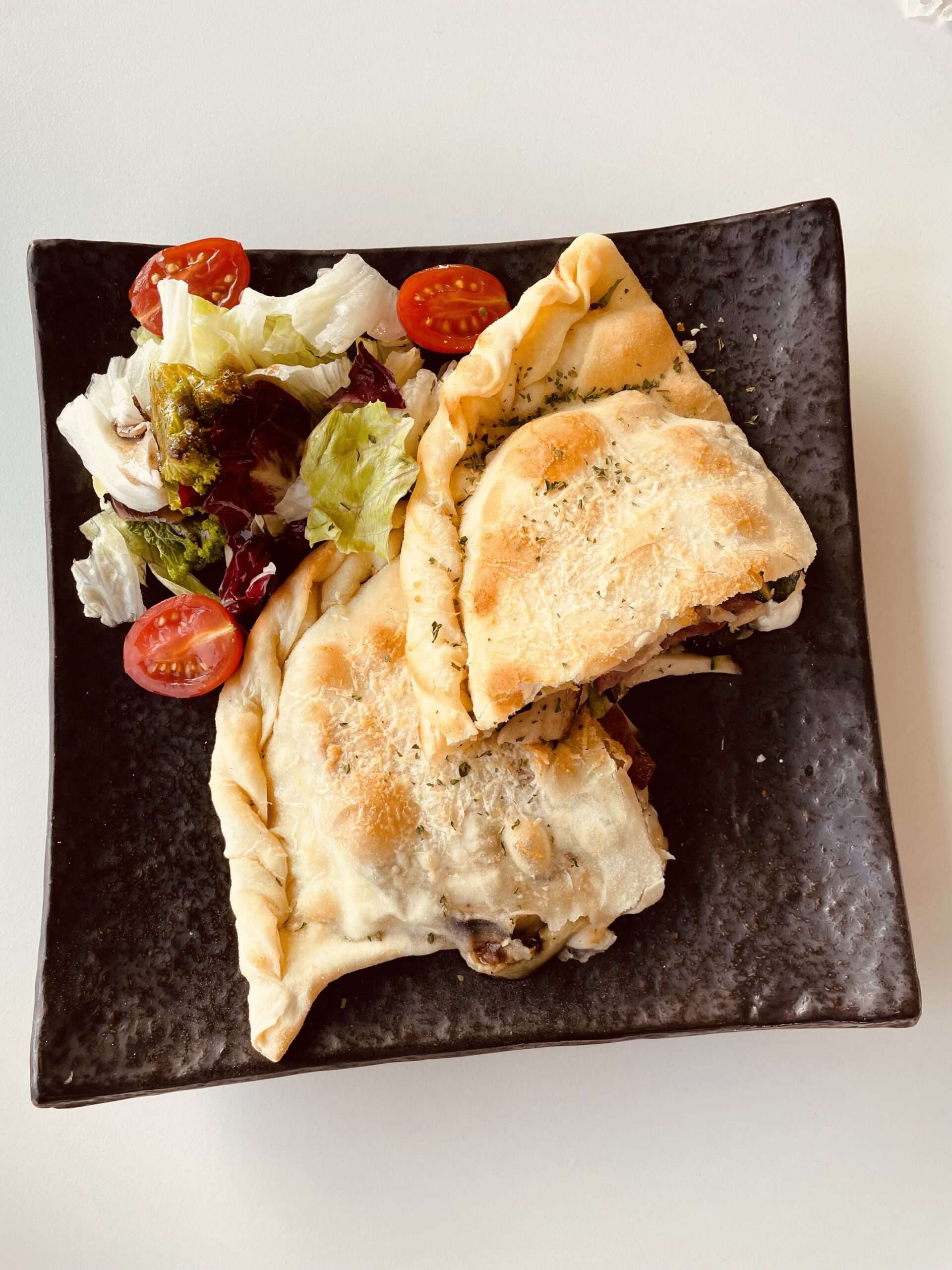
Traveling as a couple, we look at atmosphere and whether a place takes bookings at all. With a group of friends, we look for somewhere that can seat you together. With parents or kids along, we weigh the things a listing never mentions — whether the flavors will suit everyone, whether there are steep stairs, or whether they have a kids’ chair available. And it doesn’t have to be traditional Korean food. If you want a great Italian dinner, a quiet date-night spot, or a reliable foreigner-friendly restaurant in Seoul or Busan, we’ll find you the right one and confirm the details that matter to you.
We Book It — and Fit It Into Your Day
When you’re ready, we go a step further and book it for you — the kind of restaurant reservation in Korea that tourists and expats usually can’t make on their own. We call the local spots that only take bookings in Korean and line your meals up with the rest of your day, so you’re not crossing the city twice. If a spot you had your heart set on is fully booked, we’ll find you a vetted alternative rather than leaving you stranded. Because we handle the calls and bookings from right here in Korea, it works seamlessly across the entire country — whether you are in Seoul, Busan, Jeju, or a small town an app has never heard of.
One Last Thing: Your On-Demand Remote Assistant
A Busaner ticket is good for far more than just dinner. Think of us as your real-time link to Korea, handling the tasks that get stuck behind the language barrier.
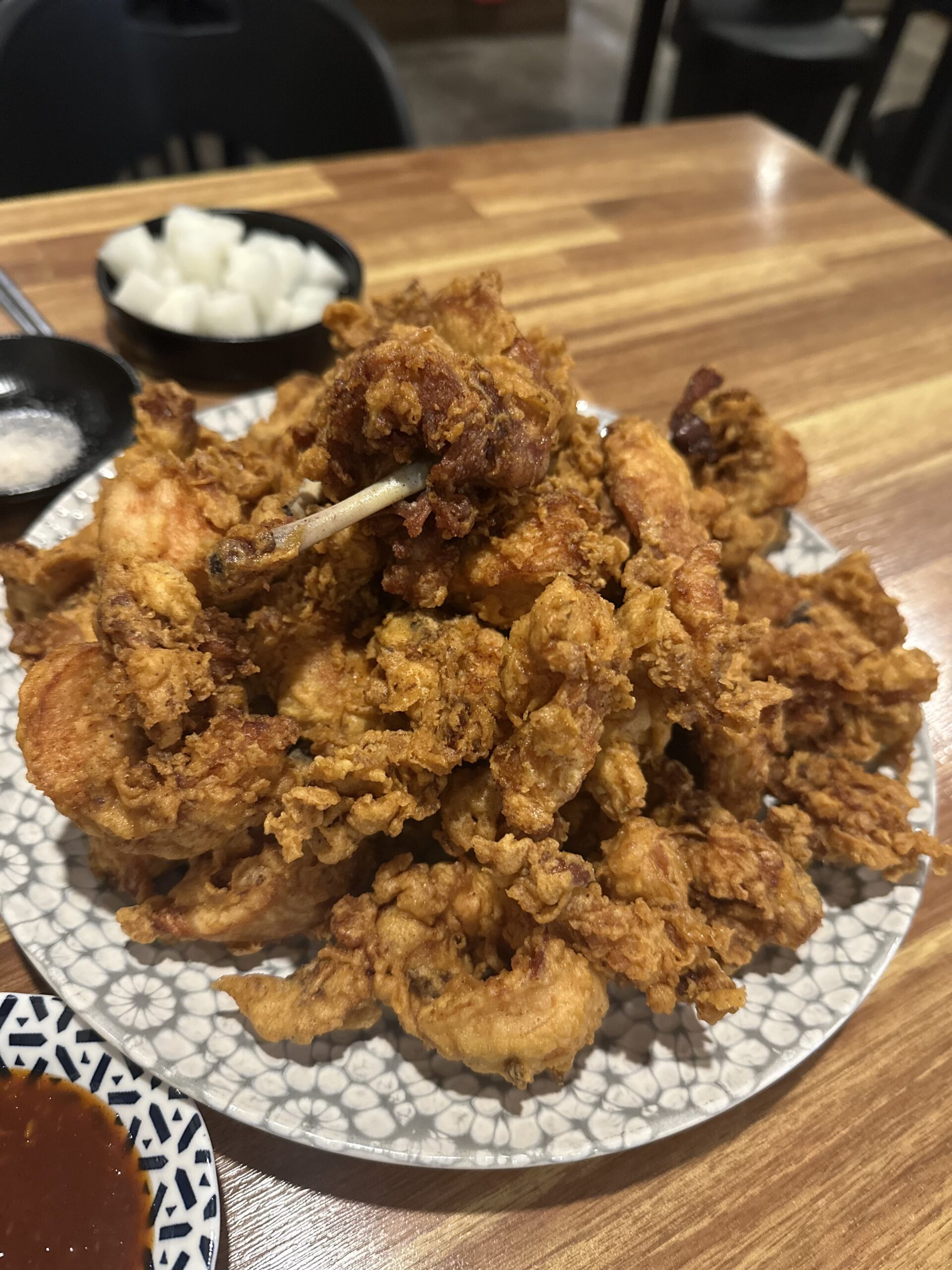
We can help you order local food delivery straight to your accommodation, book traditional pensions or campgrounds only listed on Korean sites, or secure seats for local experiences like KBO baseball games. If you’re trying to figure out Korean-only administrative pages, need help calling a local clinic to check appointment availability, or want to secure train (KTX) and express bus seats, we can take that on. For complex systems or highly restricted ticketing platforms, we can guide you through the process or call the businesses directly to get answers in real time.
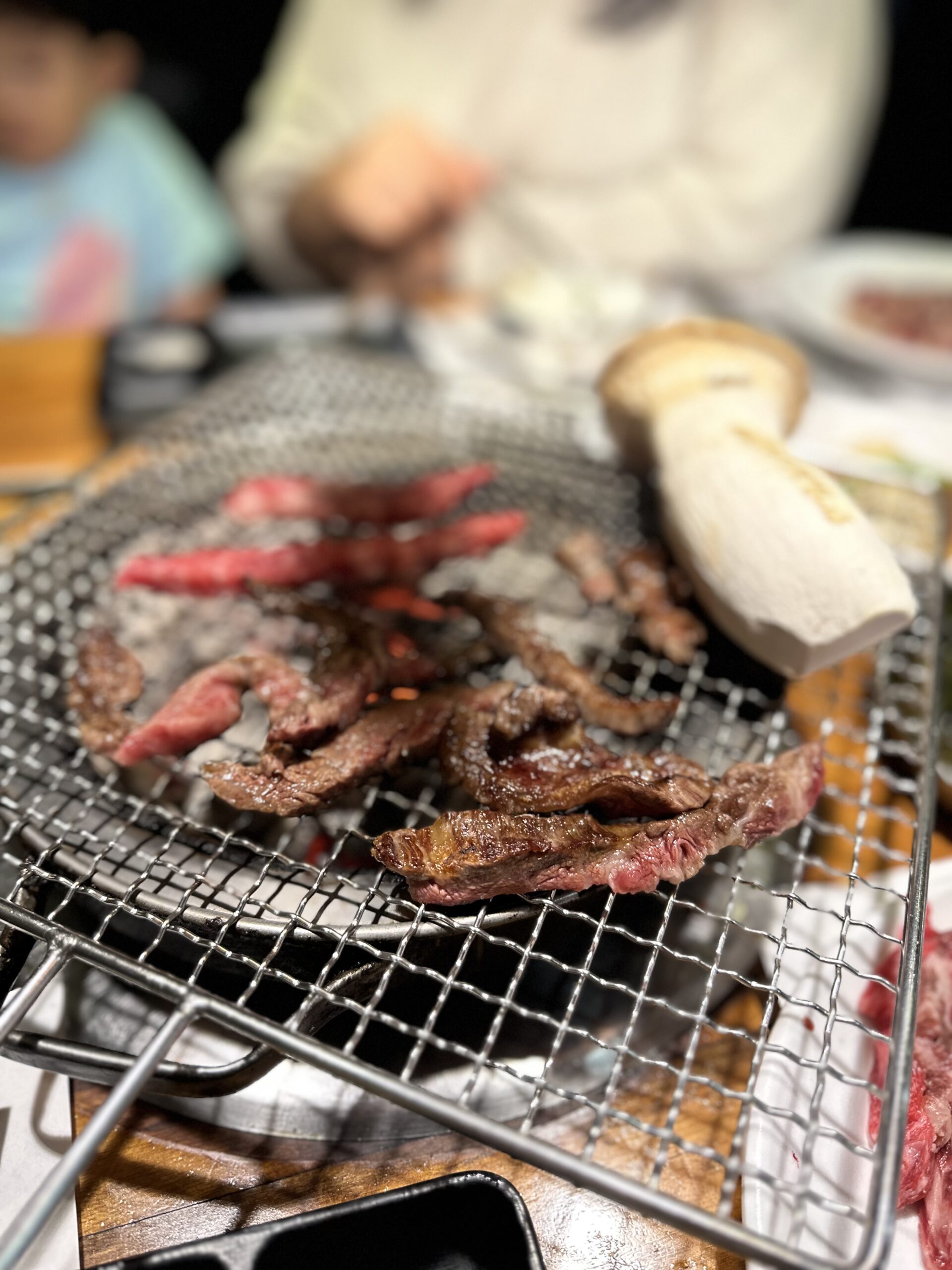
One ticket = one task, handled online in real time by our team in Korea — usually within about fifteen minutes. A lot of things, an AI translation or a quick search can solve on their own — and when they do, great. But for the moments when you’ve searched, you’ve translated, and you’re still stuck, that’s when a single ticket is worth it.
Let “where should we eat” and “how do we book this” be our job, not yours. Whether you’re eating your way through Seoul, Busan, or Jeju, your part is the easy one: show up and enjoy the meal that’s already taken care of.
Want your limited travel evenings spent on meals that are actually worth it? Just ask us, your way: